Key Studies
Scientific foundations and analyses for offshore hydrogen production — independently commissioned, publicly available.
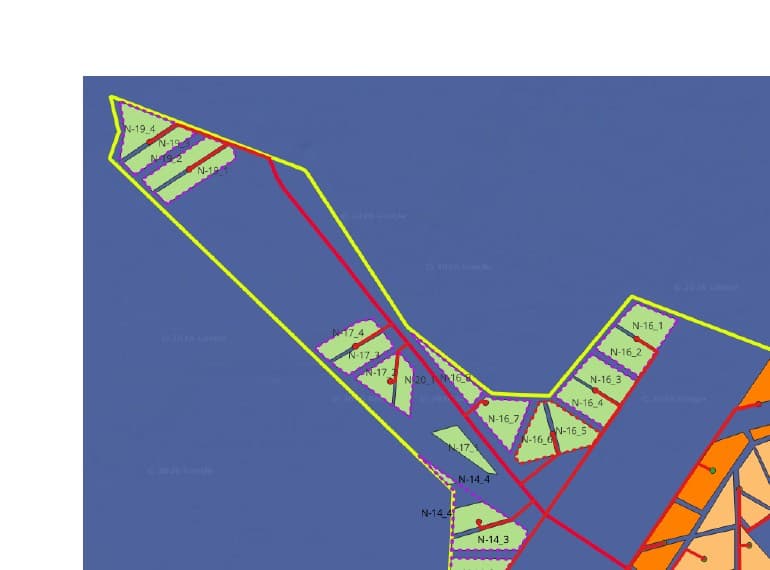
The Ramboll study evaluates 21 wind energy areas in the N-14, N-16, N-17, N-19 and N-20 zones of the German Exclusive Economic Zone for their suitability for centralised offshore hydrogen production. Using a multi-criteria ranking (curtailment, wind energy yield, proximity to the AquaDuctus pipeline, service infrastructure, water depth), the study identifies N-19.1 and N-19.2 as the most suitable sites for early consideration in future FEP and NEP processes.
The Frontier Economics study demonstrates that offshore sector coupling can reduce system costs by up to EUR 1.7 billion per year. The analysis shows that combined electricity and hydrogen transport systems are the most cost-effective solution for distant offshore wind areas. Results are robust across various sensitivity analyses.
The E-Bridge study evaluates connection concepts for distant offshore wind areas in the German North Sea. Combined transport and connection concepts can reduce expansion costs by EUR 31 billion. The 88-page study examines energy scenarios, connection concepts, cost analyses as well as environmental and legal aspects.
The Fraunhofer IEE study analyses the role of German offshore energy islands in the European energy system. Commissioned by Copenhagen Energy Islands ApS, it examines how artificial energy islands in the North Sea can serve as hubs for wind energy generation and hydrogen production.
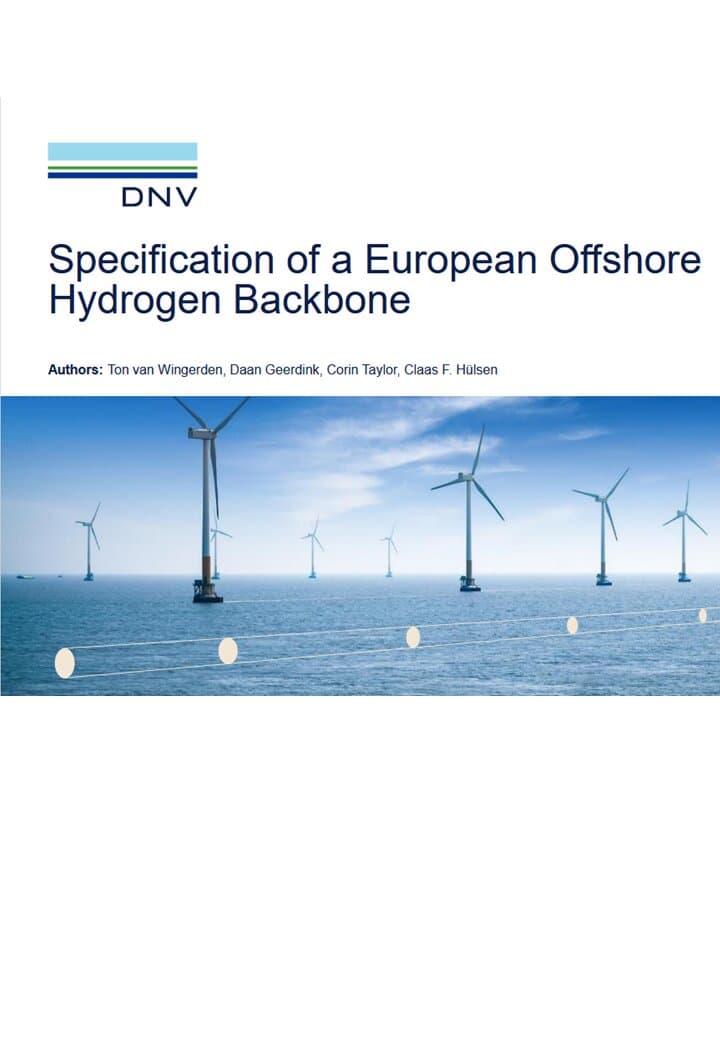
The DNV study specifies a European offshore hydrogen backbone network and confirms the significant potential of hydrogen production at sea. It examines hydrogen demand, production potentials and the comparison of onshore vs. offshore production. The backbone connects production sites in the North Sea with consumption centres onshore.
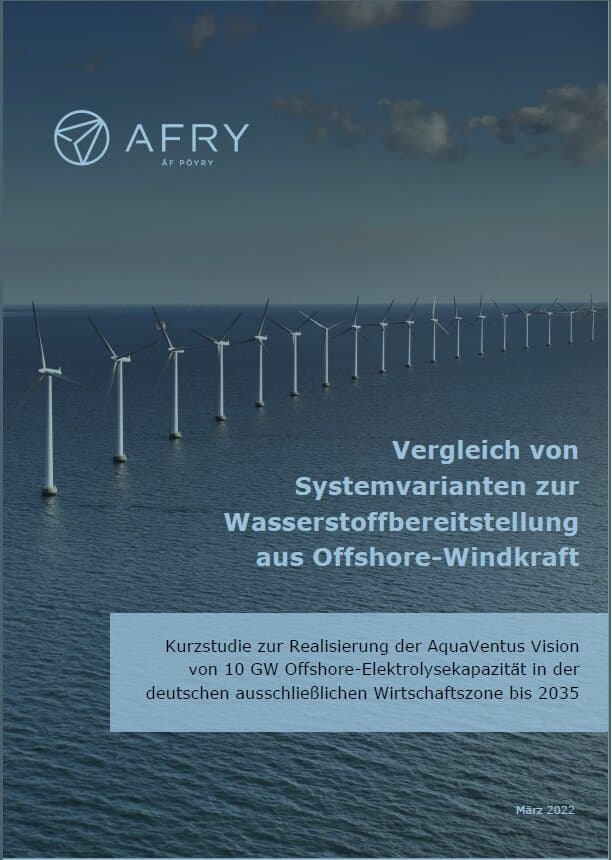
The AFRY study compares system variants for hydrogen supply from offshore wind power. Commissioned by RWE, Gasunie, Gascade, Equinor and Shell, it demonstrates clear advantages of decentralised hydrogen production at sea compared to centralised onshore solutions. Target: realisation of the AquaVentus vision of 10 GW offshore electrolysis capacity by 2035.